
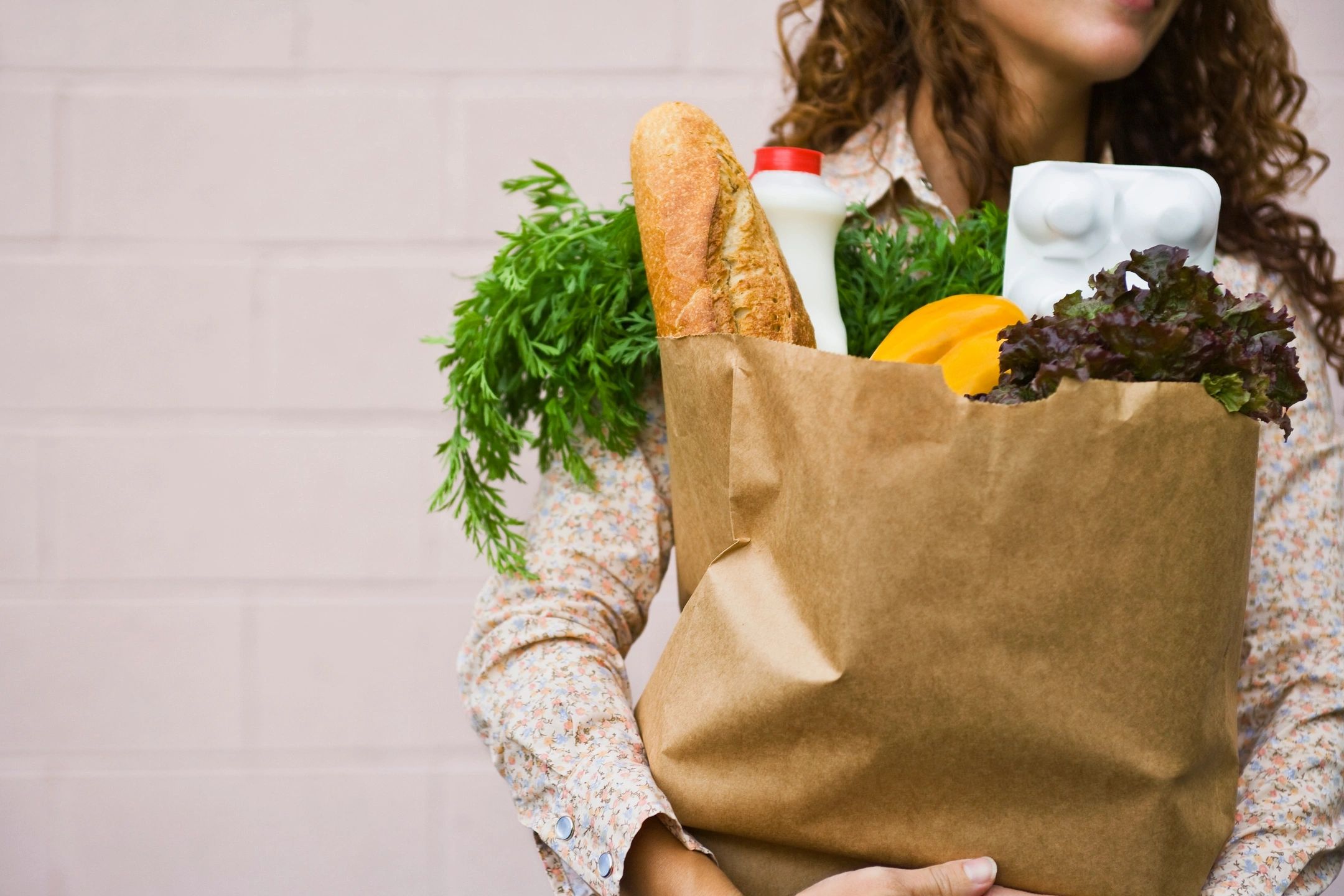
“Let food be thy medicine and medicine be thy food.” -Hippocrates
The connection between food and health has been recognized for centuries. More than 2,000 years ago, the ancient Greek physician Hippocrates helped shape this philosophy by recognizing the importance of food in maintaining a healthy and holistic lifestyle.
Today, this connection between nutrition and health is reflected in a growing movement known as ‘food as medicine.’ This concept recognizes that nutritious foods are essential for preventing chronic conditions but also for supporting mental health and overall well-being.
While the importance of nutritious food is widely understood, having consistent access to it is another story.
Imagine walking into a grocery store with a limited budget to feed your family for a week. As you make your way through the aisles, you’re faced with the reality that you won’t be able to purchase everything on your shopping list due to your stretched budget. Do you spend more on fruits, vegetables and proteins, knowing it may mean bringing home less food? Or do you opt to buy more of the less expensive, highly processed foods that your children will enjoy but may lack the essential nutrients they need to grow and thrive?
 For the millions of seniors, individuals and families experiencing food insecurity nationwide, this isn’t just a hypothetical situation; it’s a reality that many face on an everyday basis. For those facing food insecurity, the challenge isn’t always about not wanting to eat healthy; it’s simply about finding enough food and having access to the nutrient-rich meals their bodies need.
And for families in rural communities, accessing fresh food can require an entirely different kind of sacrifice, far beyond the grocery budget. In Arizona’s ‘food deserts,’ the nearest grocery store can be hours away. Even if households can make the long trip, they may find that the fruits, vegetables and other nutritious ingredients have been picked over, leaving them with fewer options.
When household budgets are stretched thin, families may have to prioritize filling stomachs over the nutritional value of what’s on their plates.
Ultimately, food insecurity isn’t just a matter of hunger; it’s a health issue. A healthy life starts with what is on your plate. However, when healthy meals are difficult to come by, maintaining a balanced diet becomes even more challenging.
 Linda Vaughn, a former nutrition professor at Arizona State University and longtime United Food Bank volunteer, understands how financial barriers can influence the nutritional choices people make. Based on her experience and research, when families and individuals cannot afford nutrient-rich foods, they often opt for less expensive, highly processed options that provide more food for their money. Over time, Vaughn shares that lacking these essential nutrients can contribute to an increased risk of chronic health conditions, including type 2 diabetes, cancer and heart disease.
“Food can be used as a prevention so that you don’t need medicine,” Vaughn commented. “Food can be used as part of the treatment of a disease so that you either don’t need medicine to treat it or you need less medicine.”
Beyond the physical effects of inadequate nutrition, food insecurity can also take a toll on a person’s mental well-being. The uncertainty of not knowing where your next meal will come from can also take a toll on a person’s mental and emotional well-being. And for those who rely on assistance programs like SNAP, the uncertainty of whether their benefits will last until the end of the month can create a constant source of worry.
Vaughn explains how this constant state of stress and uncertainty about food access can also manifest as physical health complications.
“That persistent stress sometimes creates things like ulcers and high blood pressure, which causes stress on your heart,” she shares. “For [those facing food insecurity], this persistent state of stress, even for a short time, they anticipate that they’re going to hit sort of bottom line again where they’re food insecure for a week until they get their next round of SNAP or they can go to a food bank.”
In many cases, these challenges can create a difficult cycle to break. Limited access to nutritious food can contribute to health complications and more doctor visits, leading to additional medical expenses. For individuals already struggling to make ends meet, these added costs can create even greater financial strain, making it harder to break the cycle.
Food banks play a vital role in helping bridge the gap between hunger and nutrition.
The connection between food banks supplying healthy ingredients and one’s individual well-being is reflected in research. According to a study conducted by Feeding America, having food banks provide their neighbors with nutritious food consistently reduced self-reported hospitalizations by 14% and emergency department visits by 11%. It also strengthened food security among people facing hunger.
 Oftentimes, food banks are stereotyped as distributing only shelf-stable canned goods. While these items remain an important aspect of food bank operations, however, having access to nutritious foods is equally important. Items like fresh fruits and vegetables, dairy products, eggs and meats are among the most sought-after at food banks, as they are often expensive.
In Arizona, United Food Bank is helping to put the concept of ‘food is medicine’ into action through its Grocery Rescue program. Through partnerships with local grocery retailers, the program enables United Food Bank to recover high-quality surplus food, including fresh produce, dairy products, meats, and other perishable items that might otherwise go to waste. This food is then redirected to community partners and local food pantries, helping make these otherwise costly grocery staples more accessible to neighbors facing food insecurity.
These efforts have had a significant impact on the people receiving assistance. For seniors who receive their special monthly food boxes, Grocery Rescue can help provide additional items, so they can get a variety of options each month. Similarly, through United Food Bank’s bi-weekly Neighbor’s Pantry distributions, mothers have the opportunity to take home fresh fruits and vegetables that their children enjoy. While these may seem like small additions, to the thousands of neighbors who rely on food banks for assistance every day, they mean the world. Especially for neighbors who currently have health troubles and have a limited diet, they can rely on United Food Bank to know they will be taken care of.
As the saying goes, “You are what you eat.” It’s a familiar saying, but one that doesn’t always account for the circumstances that shape a person’s food choices. While food plays a powerful role in satisfying hunger and supporting a holistic lifestyle, not everyone has the same privilege when it comes to what they can eat. Choosing less expensive, highly processed foods over fresh produce shouldn’t define one’s self-worth; often, it isn’t a matter of preference; sometimes, it’s about making the most of a limited grocery budget. Food is a fundamental human need, and having access to nutritious food shouldn’t be a privilege reserved for those who can afford it.
Food banks play a critical role in the community. Through nutrition-focused programs, United Food Bank works to make nutritious food more accessible to those who need it most. Your generosity helps United Food Bank provide fresh, healthy meals to Arizona families, seniors and individuals facing food insecurity. Donate today to help make nutritious food accessible to everyone, one plate at a time.

Communications Specialist
ifleck@unitedfoodbank.org